When it comes to choosing the right drivetrain, understanding the difference between Rear-Wheel Drive (RWD) and Front-Wheel Drive (FWD) can make all the difference, specially on the diverse roads of Nepal. While FWD vehicles are often marketed as economical and easy to handle, RWD offers superior balance, traction, and durability under real-world driving conditions. From tackling hilly terrains and carrying heavy loads to delivering a smoother, more controlled ride, RWD vehicles are engineered to handle both urban streets and rural paths with confidence. In this blog, we’ll explore why RWD is not just a drivetrain choice, it’s a practical advantage for Nepali drivers seeking performance, safety, and reliability.
Introduction to Rear-Wheel Drive (RWD)
Rear-Wheel Drive is a drivetrain layout where the engine or motor sends power to the rear wheels. In RWD vehicles, the front wheels focus solely on steering while the rear wheels handle propulsion. This separation of roles creates a driving experience that feels balanced, stable, and responsive qualities that matter especially on Nepal’s hill roads, highways, and moderate gravel surfaces.
One of the key strengths of RWD lies in how it manages weight distribution and physics. When a vehicle accelerates, its weight naturally shifts backward. Because the rear wheels are the ones pushing the car, this weight transfer actually increases traction on inclines and during strong acceleration. The center of gravity also tends to be better balanced in RWD vehicles, creating smoother cornering and more predictable handling—an advantage on Nepal’s winding routes.
Modern electric vehicles amplify these benefits even further. With batteries placed low and toward the rear, RWD EVs like the MGS5 EV gain exceptional stability, a lower center of gravity, and a more planted feel on the road. As a result, RWD appeals to drivers who value confident handling, precise steering, and steady performance on mixed terrains.
Introduction to Front-Wheel Drive (FWD)
Front-Wheel Drive is the most common drivetrain layout in modern compact cars and family vehicles. In an FWD system, the front wheels handle two jobs at the same time—they pull the vehicle forward and they steer it. Because all major components sit in the front, FWD cars are usually more affordable to produce, more fuel-efficient, and ideal for city or highway driving on mostly flat terrain.
From a physics perspective, FWD places most of the vehicle’s weight over the front axle. This gives the front wheels strong grip during everyday driving because the center of gravity naturally sits closer to the front. However, the same advantage becomes a limitation on steep hills or gravel roads. When a vehicle climbs an incline, weight shifts backward. This reduces the load on the front wheels, the ones responsible for both traction and steering, making them more likely to slip, understeer, or lose momentum.
Technical Insights into Rear-Wheel Drive
Understanding Traction Capabilities
Nepal’s hilly roads often include gravel, uneven surfaces, and ascending slopes. In such scenarios, RWD offers an advantage because:
• The rear wheels handle propulsion.
• The front wheels are free to steer without also pulling the vehicle.
This separation of duties leads to smoother acceleration and better control, especially when climbing inclines where the vehicle’s weight naturally shifts toward the rear wheels, helping with traction on gravel or dirt.
However, it is important to note, RWD is not designed to conquer extreme off-road trails or deeply slippery surfaces. But on regular Nepali hill roads with mild gravel, RWD’s controlled power delivery can feel more composed compared to FWD.
The Role of Weight Distribution in Driving Dynamics
RWD vehicles often have a more balanced front-rear weight distribution. This balanced setup leads to:
• More precise steering
• Better cornering stability
• Reduced understeer compared to FWD
On Nepal’s winding highways this balance gives drivers a confident, planted feel through curves.
Analyzing Drivetrain Efficiency
RWD’s mechanical layout makes it inherently stable under acceleration since the driving force comes from the rear. This helps with:
• Smoother power delivery
• Better load distribution when carrying passengers or cargo
• Reduced strain on front components
For Nepali families and professionals who frequently travel with passengers or goods, RWD can feel more stable and composed when driving uphill or through long highway stretches.
RWD Benefits for Nepali Roads
Nepal’s topography demands a drivetrain that remains stable during climbs, turns, and uneven surfaces. RWD performs well in these conditions because the driven wheels are positioned where the load naturally shifts during acceleration. On inclines common across Kathmandu Valley outskirts, Pokhara roads, and hilly districts, the rear axle gains more grip, helping the vehicle climb more confidently compared to FWD, which can lose traction as weight lifts off the front wheels.
On winding roads, RWD also offers a noticeable advantage. Since the front wheels handle only steering, drivers experience sharper turn-in response and better balance throughout the corner. This reduces the understeer commonly felt in FWD vehicles during tight bends, especially on highways or roads with long sweeping curves.
For family travel, business use, and rural commutes, RWD’s smoother load handling and stable acceleration make it feel composed even when the vehicle is full. While it is not meant for icy extremes or harsh off-road trails, RWD shines in the moderate, everyday conditions that most Nepali drivers encounter.
Comparing FWD and RWD on Nepali Roads
FWD vehicles handle both steering and propulsion through the front wheels. This creates limitations:
• FWD tends to understeer on tight corners.
• On inclines, especially gravel inclines, FWD can lose traction because the weight shifts off the front wheels.
RWD, on the other hand:
• Offers better cornering balance
• Keeps steering more precise because the front wheels are not overloaded
• Has more stable acceleration on uphill gravel or dirt surfaces
These factors make RWD feel more confident and enjoyable on Nepal’s winding, moderately challenging hill roads.
Conclusion: Making the Case for Rear-Wheel Drive
Rear-Wheel Drive offers real, practical advantages for driving in Nepal,more precise steering, better cornering balance, stronger acceleration, and enhanced traction on gravel inclines. These qualities make RWD suitable for Nepali drivers who drive through hills, highways, and mixed terrain.
At the same time, RWD is not designed for extreme off-road use and requires caution on icy or severely slippery surfaces.
As Nepal’s roads continue to evolve and more modern electric RWD vehicles become available, RWD stands out as a balanced, capable choice for daily Nepali driving. It delivers confidence, comfort, and controlled performance, making it a drivetrain worth considering for the country’s unique topography.
FEATURED BLOGS

MG Motors, renowned for its strong presence in Nepal, continues to demonstrate its global prowess with yet another remarkable achievement. The MG4 EV, a flagship model celebrated for its innovation and reliability, has successfully completed a trailblazing expedition to the Kora-la Pass in Upper Mustang, Nepal, reaching an elevation of 4,660 meters.

Owning a car isn’t just about getting from one place to another, it's about trust, confidence, and peace of mind every time you take the wheel. MG Motor Nepal understands that your journey matters as much as your destination. That’s why every MG vehicle is designed to give you the assurance of safety, comfort, and reliability wherever you go. With MG, you’re not just driving, you're driving assured.
In this blog, we will discuss how MG Motor ensures your safety, comfort, reliability, and peace of mind on every journey.
Safety That Inspires Confidence
Your safety is MG Motor’s top priority. Most of the MG vehicle comes equipped with advanced features such as anti-lock braking systems (ABS), multiple airbags, lane departure warning, electronic stability control, and hill-start assist. These technologies work together to minimize risks on both busy city streets and challenging highways.
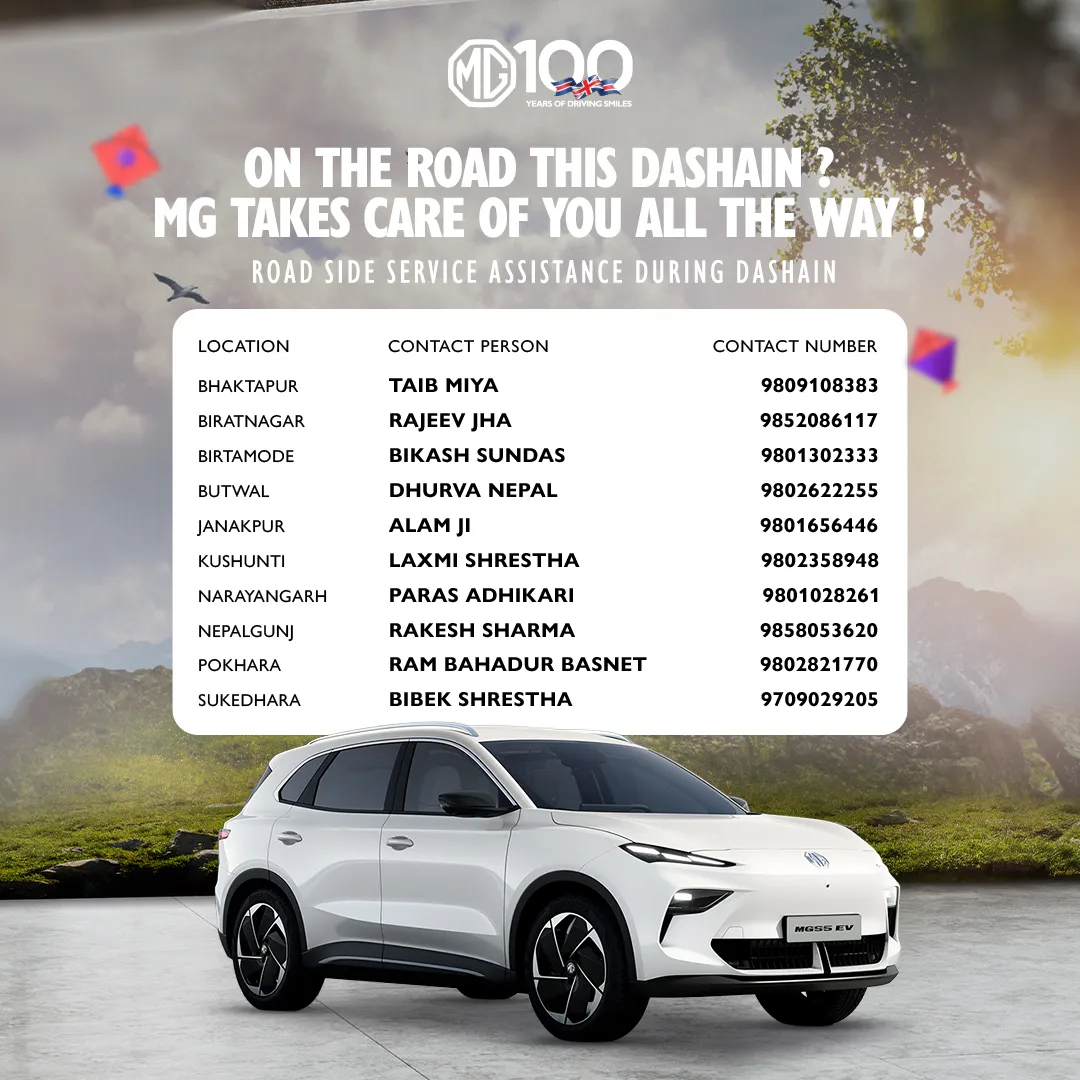
Whether you’re moving towards the bustling roads of Kathmandu and Bhaktapur or heading out on longer drives to Pokhara in the west, Butwal and Janakpur in the south, or Nepalgunj in far west , MG ensures that every ride is secure b y Knowing your car is built with world-class safety standards which lets you focus on enjoying the journey across the Nepal.

Kathmandu, November 4 – Paramount Motors, the authorized distributor of MG, IM, Mazda, Wuling, and Maxus vehicles in Nepal, is set to organize Nepal’s largest multibrand Exchange & Upgrade Camp, featuring all the brands under its portfolio.
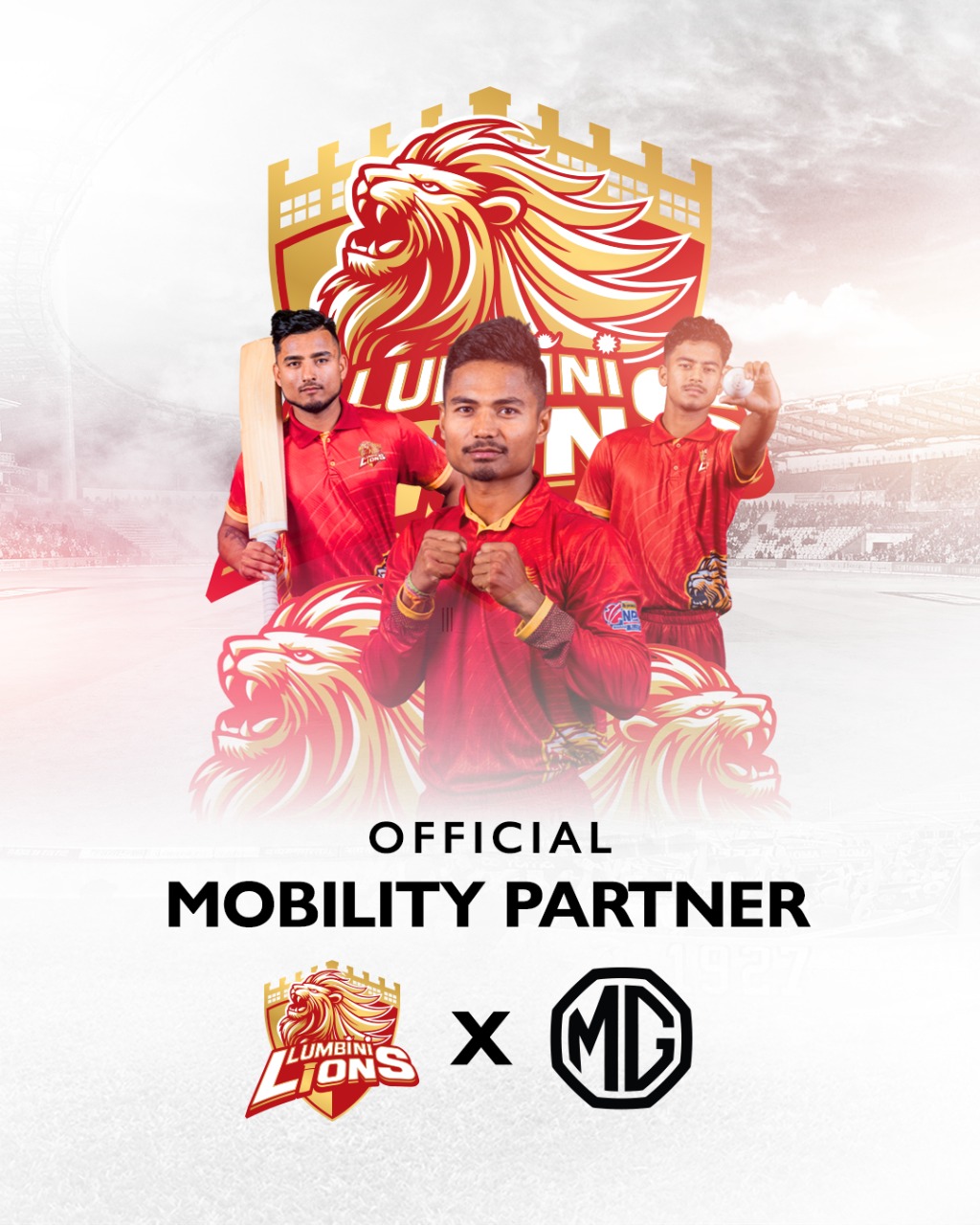
Kathmandu, November 16 – Paramount Motors Pvt. Ltd., the official distributor of MG Motors in Nepal, is proud to announce its partnership with the Lumbini Lions as the official mobility partner for the ongoing Nepal Premier League (NPL).
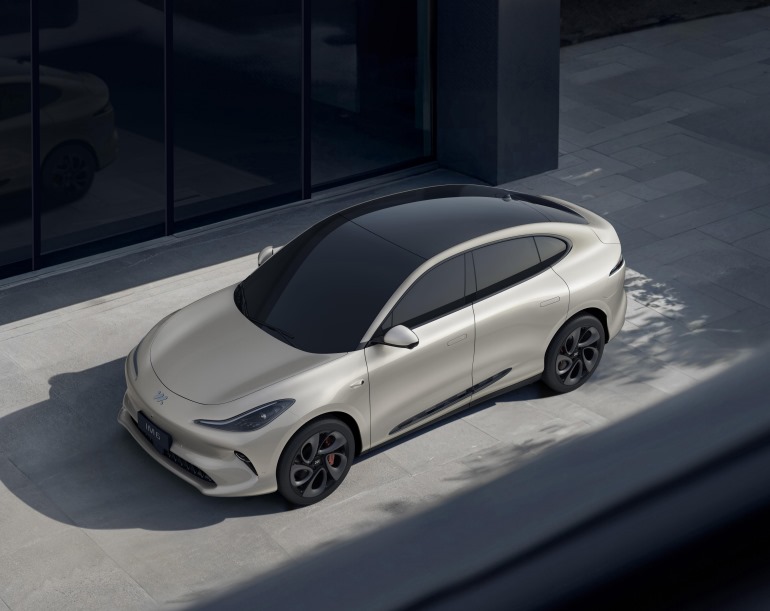
The MG IM6, Nepal’s most technologically advanced electric SUV, engineered on a true digital chassis platform that unifies hardware and software into a single intelligent control system. At a time when most vehicles still rely on mechanical systems that react only after a problem occurs, the IM6 brings a predictive driving experience powered by AI, advanced semiconductors, and a millisecond-level vehicle control network. Designed specifically for complex terrains, tight urban streets, steep gradients, and rapidly changing road conditions, the IM6 represents a generational step forward for premium EVs in Nepal.

Kathmandu, Nepal – Paramount Motors authorized importer and distributor for MG and IM Motors for Nepal, has announced the launch of its “Celebrate Electrifying New Year 2026” scheme offering exchange benefits to its customer on purchase of electric vehicle lineup of MG and IM.
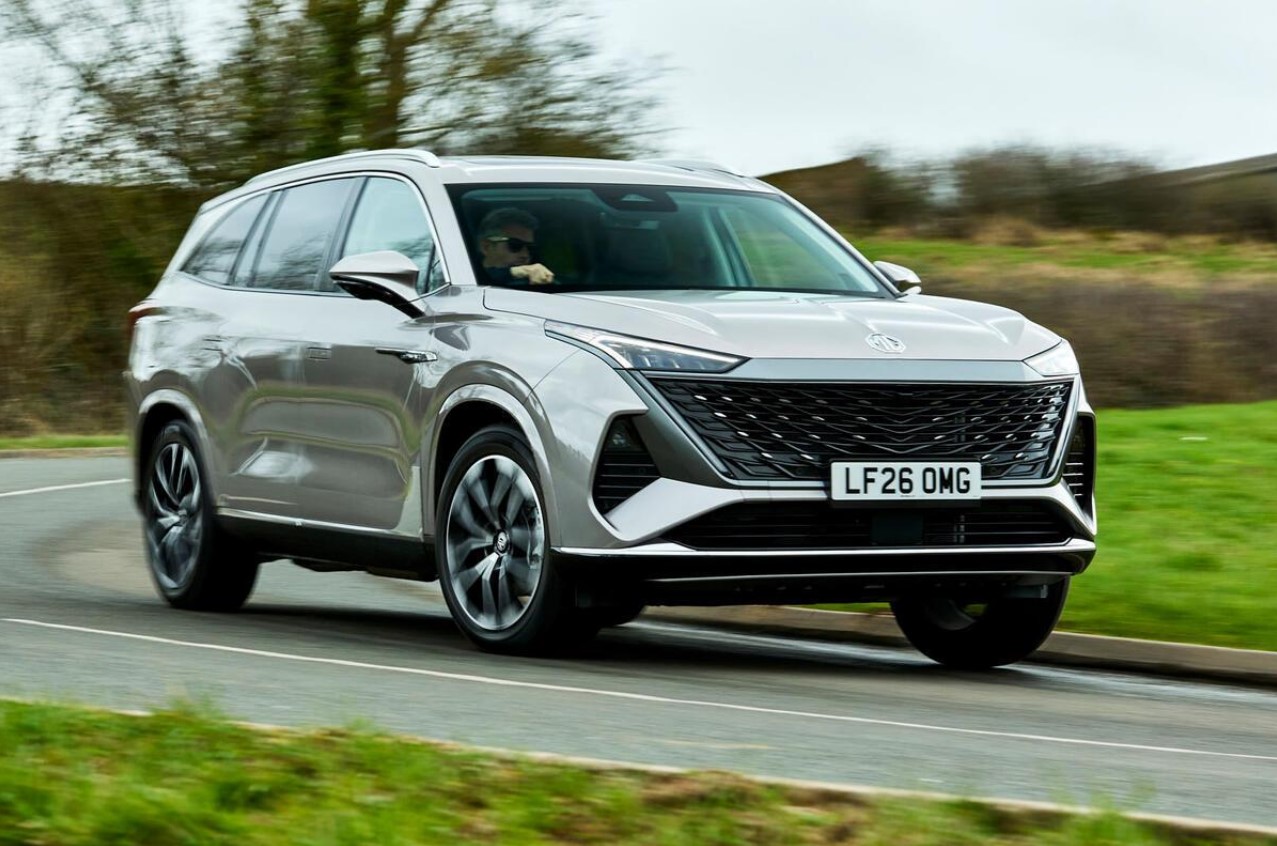
MG is developing new hybrid cars featuring improved technology. These vehicles will include electric turbos and special motors that significantly reduce noise.
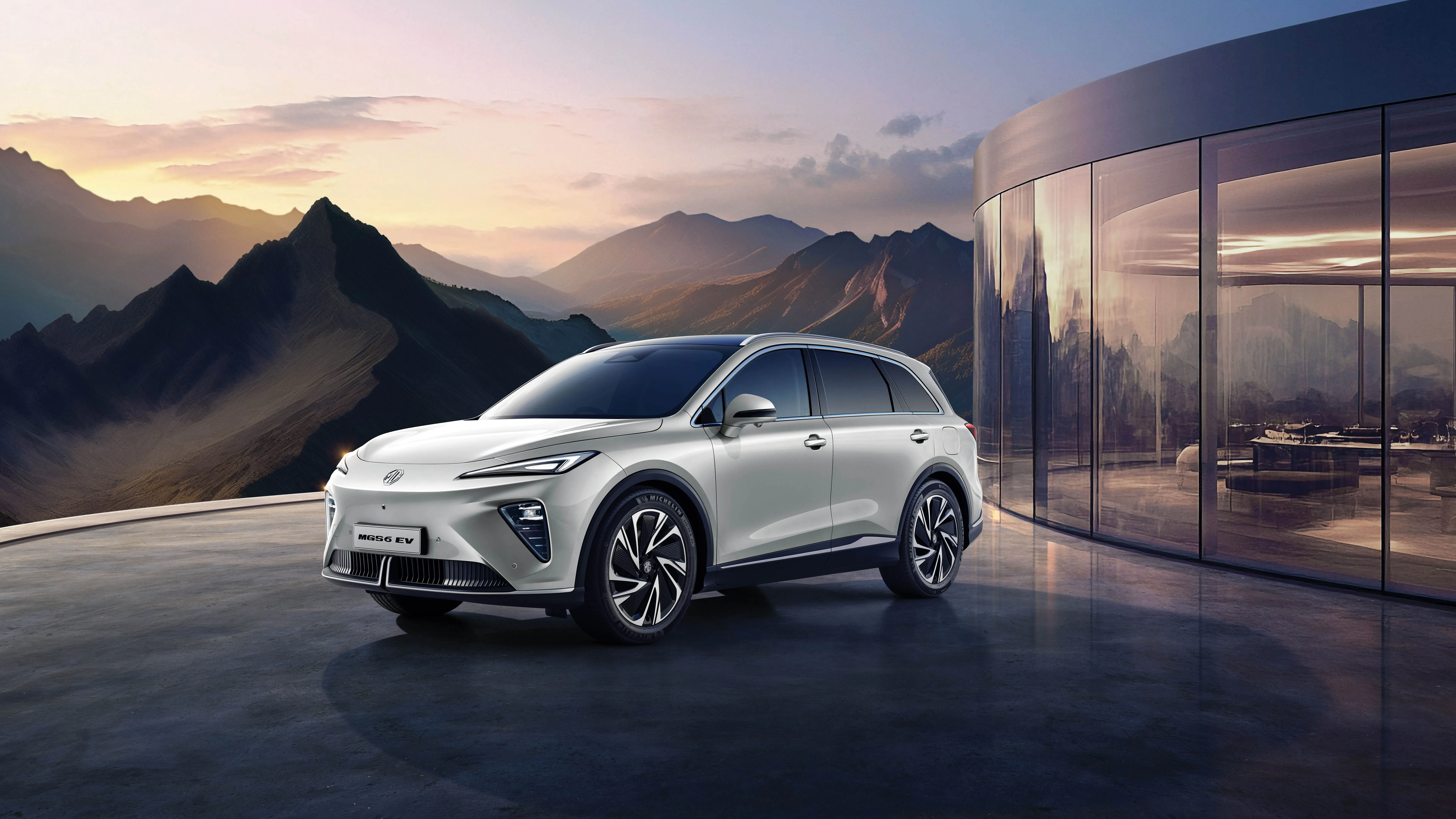
Kathmandu - Paramount Motors, the authorized distributor of MG vehicles in Nepal, is set to launch a new electric SUV, the MG S6 EV. The company has announced that the new model will be introduced in the Nepali market soon.
.webp)
Paramount Motors Launches the All-New MGS6 EV in Nepal at an Introductory Price of Rs. 69,99,000
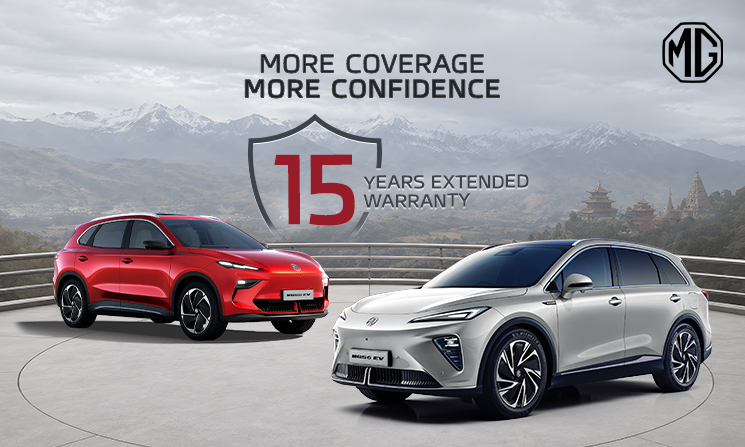
At Paramount Motors Pvt. Ltd., the authorized distributor of MG vehicles in Nepal, we believe peace of mind should last well beyond the first drive. That's why we have introduced the MG Extended Warranty Program, designed to provide more coverage, more confidence, and long-term ownership assurance.
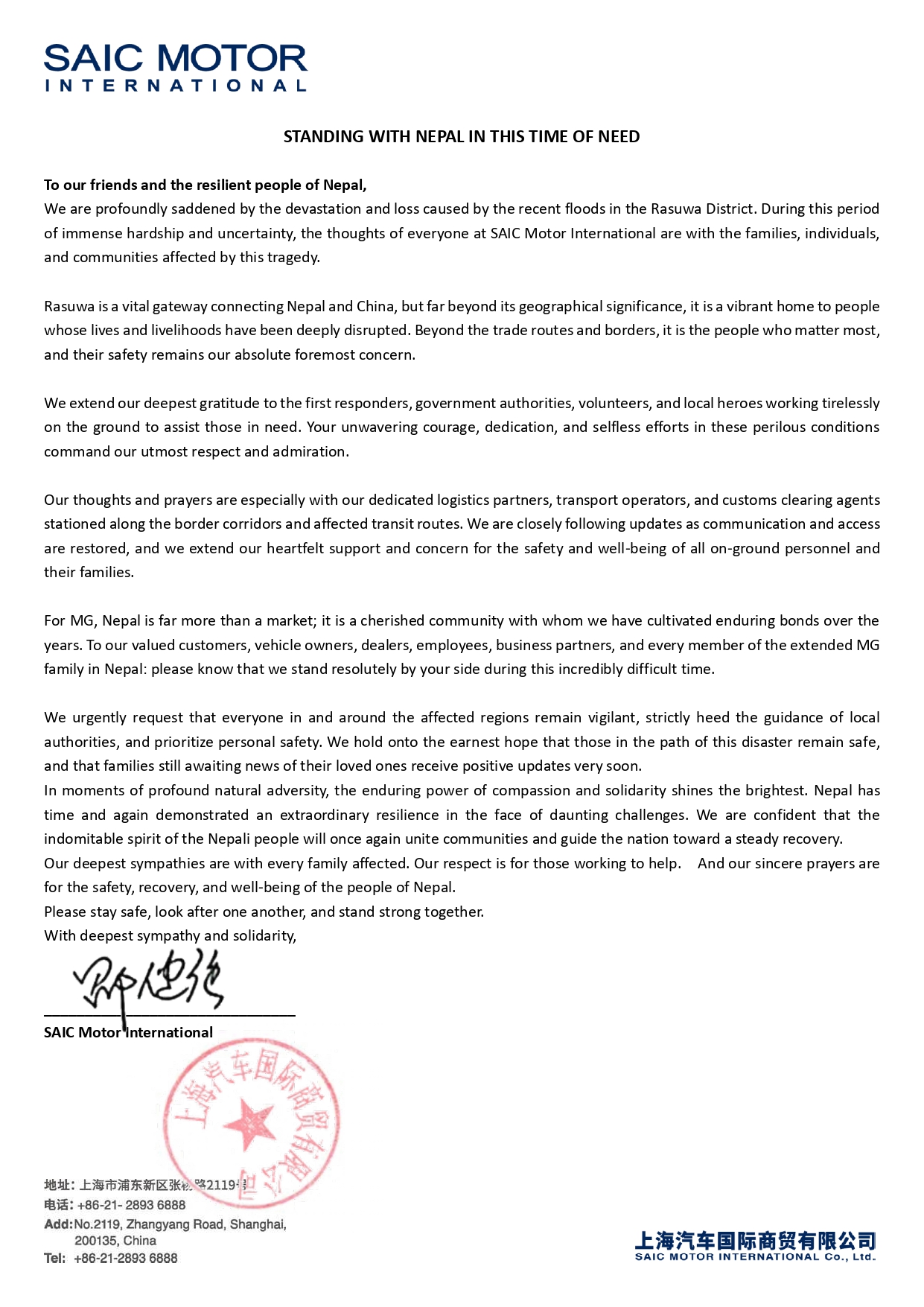
SAIC Motor International has expressed its deepest sympathies and solidarity with the people of Nepal following the recent floods in Rasuwa District.
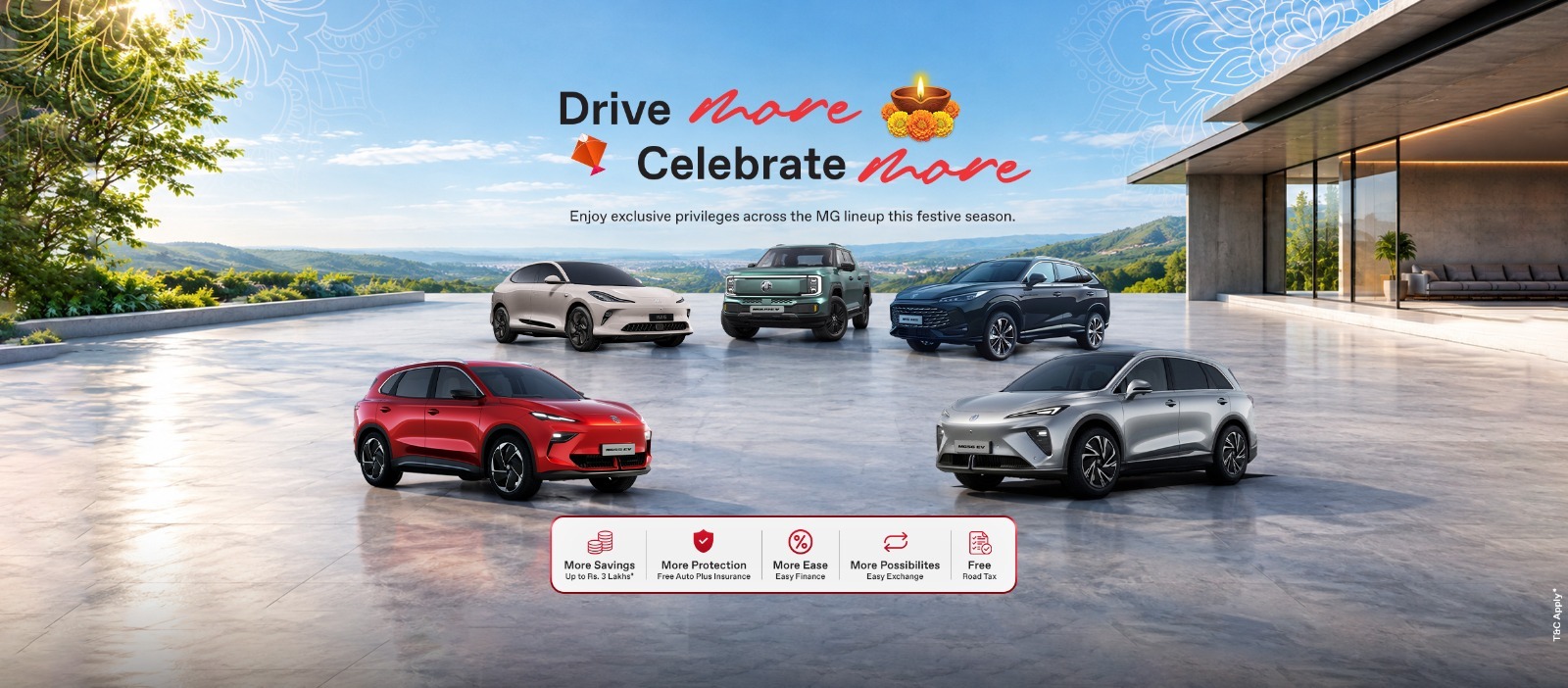
Paramount Motors Nepal, the authorized distributor of MG Motor in Nepal, has announced a special festive offer “Drive More, Celebrate More” for customers on the occasion of the festive season. The offer, effective from 6th Asoj until Chhath, provides customers purchasing selected MG models with an opportunity to save up to NPR 300,000.